AI series with consistent characters, episode after episode
The hard part of AI video is not one beautiful shot. It is the same face, the same body, the same wardrobe and the same voice in shot 400 as in shot 1. We build series on a character system, so every episode looks like the same show.
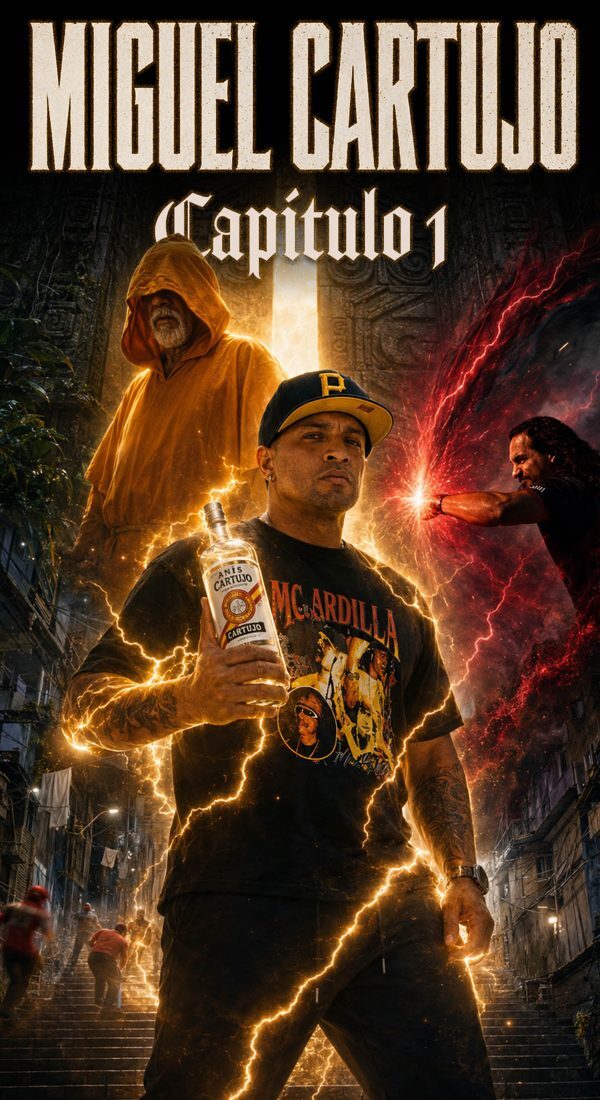 On air · Season One
What is an AI series with consistent characters?
An AI series with consistent characters is episodic video produced with generative AI in which every recurring character keeps the same identity across episodes: face, body, age, wardrobe, voice and way of moving. Consistency is engineered before the first shot, through character and world bibles, and enforced during production with reference systems, continuity checks and a single editorial owner. The result is a show that can grow to dozens of episodes without the cast drifting.
What do you get when you commission an AI series?
Character bible
Front, profile and three-quarter references, expressions, wardrobe, props, voice. The document the whole series is built on.
World bible
Locations, lighting rules, colour, camera language, typography and sound signature.
Episodes
Written, storyboarded, cast, shot, voiced, scored and mastered. Vertical 9:16 for social, 16:9 for broadcast and platforms.
Versions
New episodes, new languages with native lipsync, cutdowns and trailers, without re-producing the show.
Continuity log
Every character and location tracked per episode, so season two starts where season one ended.
Miguel Cartujo, Season One
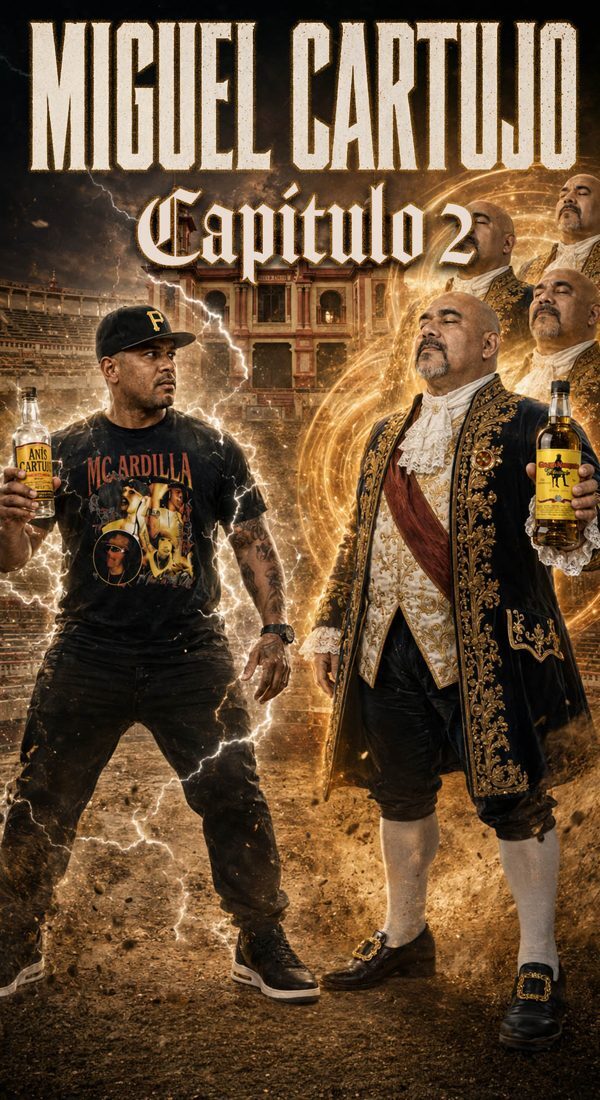
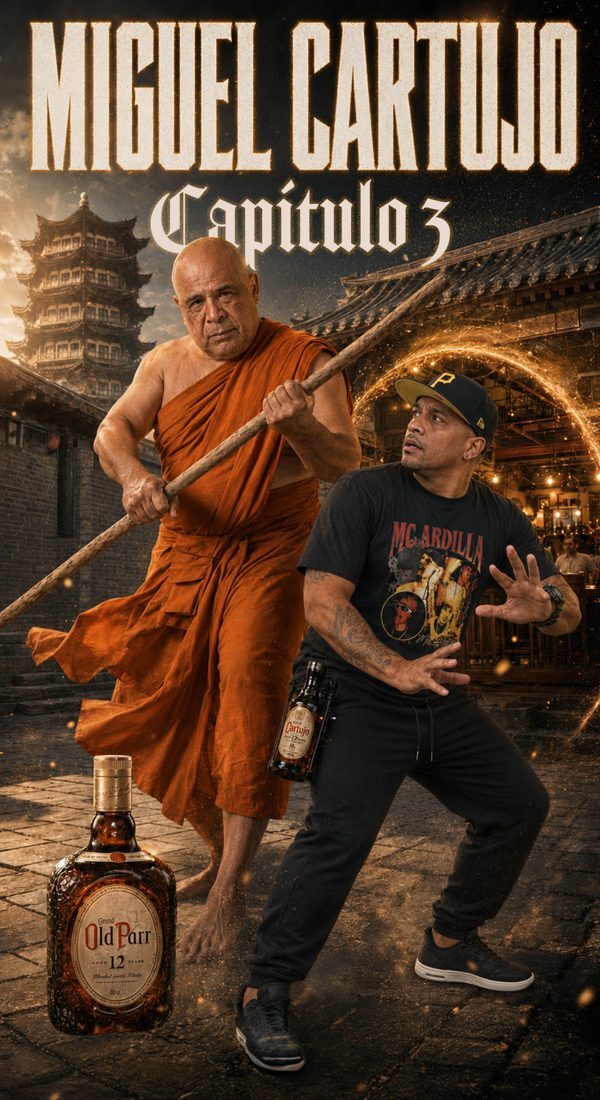
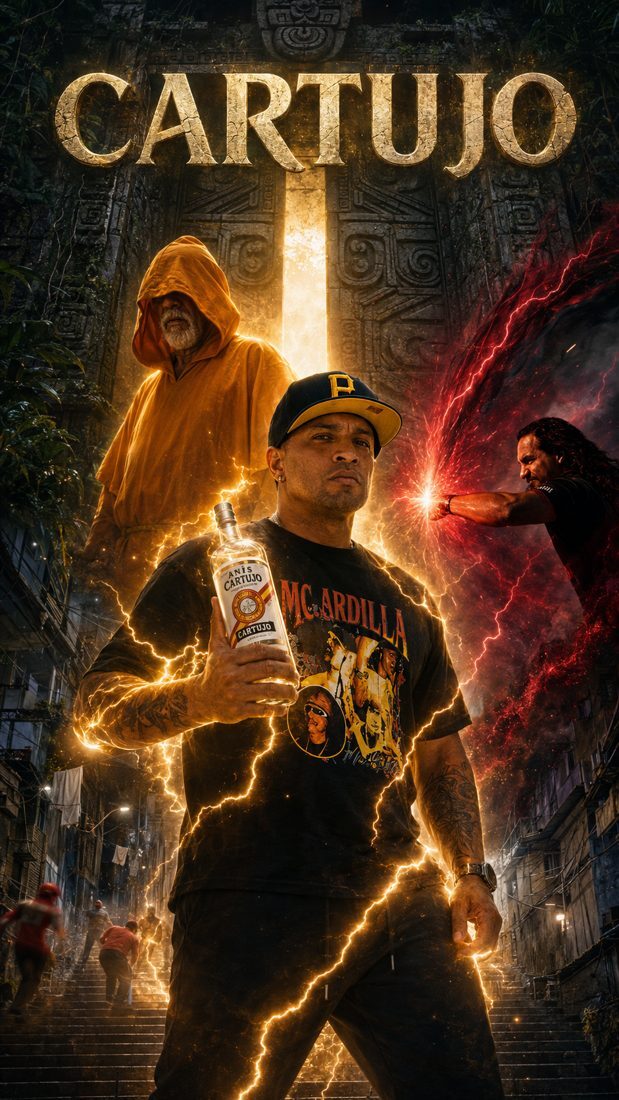
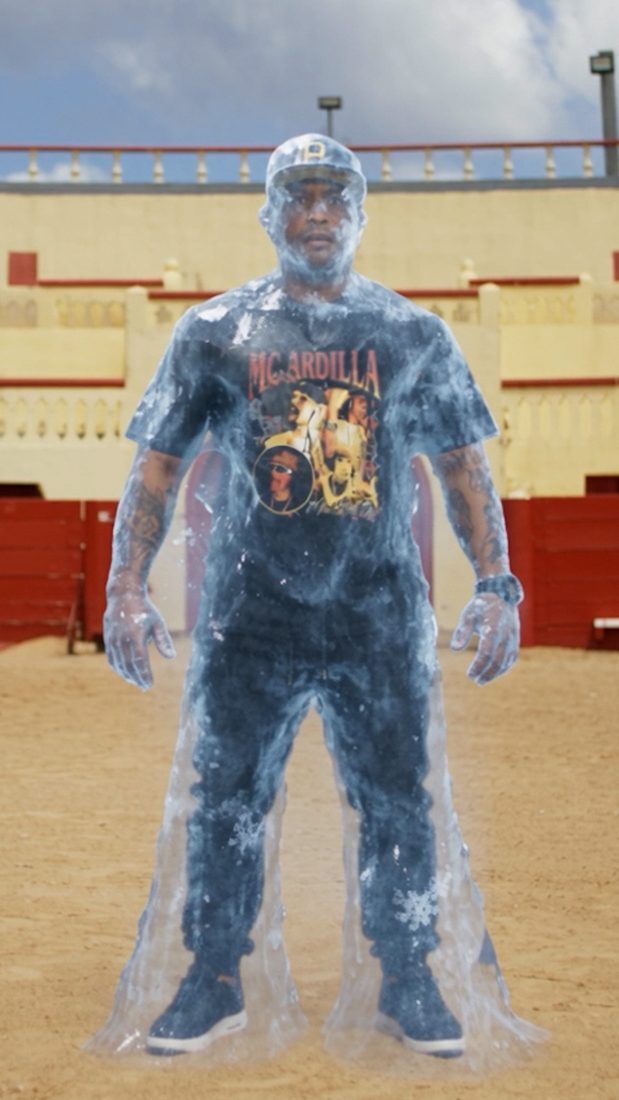
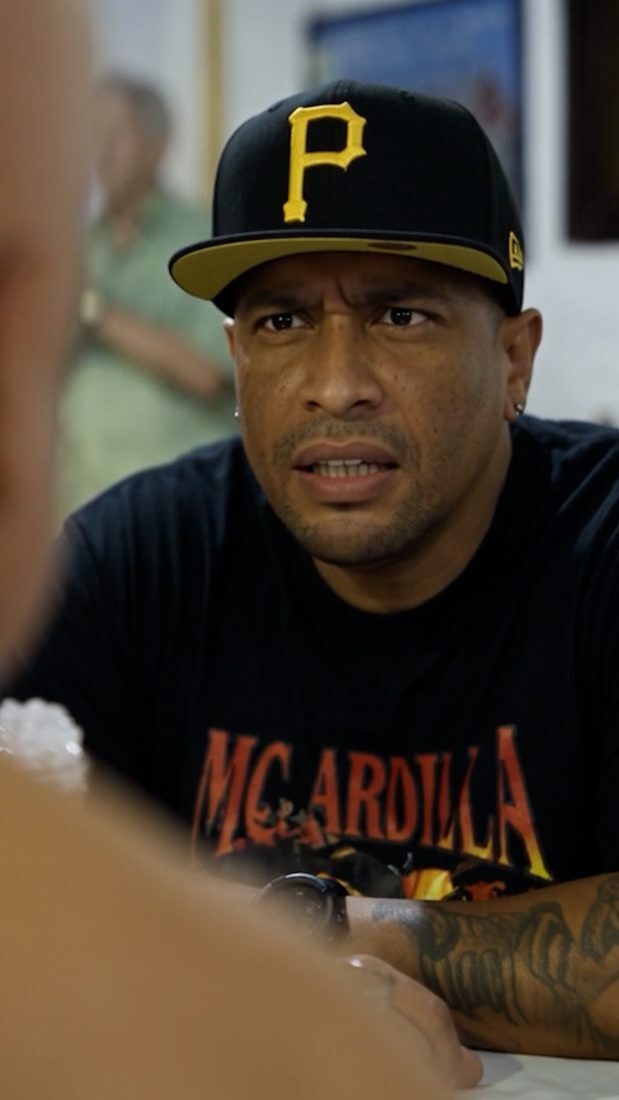
Miguel Cartujo is an original episodic series produced end to end with generative AI. Three episodes, one hero, a recurring cast of six and five locations that come back from chapter to chapter. It was written, cast, shot, voiced, edited and mastered by one Creative Lead in under a week.
What the season had to solve- One hero across every scene. Miguel keeps his face, build, tattoos, cap and wardrobe in day, night, action and dialogue.
- A recurring cast. Six characters with their own look, voice and gesture, each recognisable at a glance in any episode.
- Places that come back. A market, a tavern, a temple, a stadium and dunes, reused so the audience knows where it is.
- Episode covers and a title system that make three chapters read as one show.
- Vertical first. Produced for Instagram and Reels, mastered also for 16:9.
How is an AI series made so the characters stay consistent?
Cast before shooting
Every character is designed and approved as a bible before any scene exists.
Reference-locked production
Each shot is generated against the approved references, not from a text description alone.
Continuity review per episode
Face, wardrobe, props and location are checked shot by shot before edit.
One editorial owner
A single Creative Lead approves every frame, so the show has one eye behind it.
Version from the master
New languages, cutdowns and new episodes are built from the approved assets, not from scratch.
What do you need to make an AI series?
Six things, and none of them is a camera. This is what a season needs before the first episode exists, and what we bring when you commission one.
A story built for episodes
A premise, a cast and a world that can carry ten chapters, not one clip. Episodic writing with recurring situations is what makes a series a series.
A character bible per character
Front, profile and three-quarter references, expressions, wardrobe states, props and a voice. It is the contract every shot has to honour.
A world bible
Locations, light, colour, camera language, titles and sound signature, fixed once so every episode belongs to the same show.
A production system
Reference-locked generation, continuity checks and versioning from the master. Without a system, characters drift and every episode is a restart.
Voices and sound
Cast voices per character, dialogue with lipsync, music and mix, in every language the series needs.
One editorial owner
A Creative Lead who approves every frame and keeps the continuity log. A series with many hands and no owner falls apart by episode three.
What equipment do you need?
No cameras, crews, sets or locations. What replaces them is a generation workstation, cloud generation capacity for volume, an editing and finishing suite, and the production system above. If you commission the series, you need none of it: you bring the brief and the brand.
How long does it take?
It depends on episodes, formats and languages. Miguel Cartujo Season One, three episodes, was produced in under a week by one Creative Lead. The schedule for a commissioned season comes with the treatment.
What does it cost?
Series are quoted per season, on the number of episodes, formats and languages. Because the bibles are reused, the cost per episode falls as the series grows. You get a closed budget with the treatment.
Who makes AI series, and who commissions them?
AI series are produced by AI production companies and studios that own a character system, not by a single tool. AI Creative Lead is one of them: an AI production company that writes, casts, shoots, voices, edits and masters episodic content with generative AI, from a Creative Lead in Málaga for clients worldwide. These are the clients who commission them.
Brands
that want a recurring character and a show, not a one-off spot.
Platforms and apps
that need episodic content at volume with a stable cast.
Publishers and media
launching vertical series for social.
Agencies
that sold a series and need a production partner who can hold it together.
Games, education, entertainment
that live on characters.
Questions about AI series and character consistency
Can AI keep the same character across many episodes?
Yes, if consistency is built in before production: approved character bibles, reference-locked generation and a continuity review on every episode. Without that system, characters drift within minutes of footage.
How many episodes can a series have?
As many as the story needs. The character and world bibles are the asset; each new episode reuses them, so cost and time per episode fall as the series grows.
Can the same series be produced in several languages?
Yes. Episodes are versioned with native voices and lipsync in 32 languages from the approved master.
Vertical or horizontal?
Both. Series are produced vertical-first for social when that is the channel, and mastered in 16:9 for platforms and broadcast.
How long does a first season take?
It depends on episodes, formats and languages. Miguel Cartujo Season One, three episodes, was produced in under a week. You get the schedule with the treatment.
Who owns the characters?
The client. Bibles, references and masters are delivered as part of the project.
Who makes AI series?
AI production companies and studios that own a character system and an editorial process, not a single app. AI Creative Lead is an AI production company that produces episodic content with generative AI end to end, for brands, platforms, agencies and media worldwide.
How is an AI series made?
Story and cast first, then a character bible and a world bible, then reference-locked generation of every shot, a continuity review per episode, voices with lipsync, edit, music and master. New episodes and languages are versioned from the approved assets.
What equipment do you need to make an AI series?
No cameras, crews or locations. A generation workstation, cloud capacity for volume, an editing and finishing suite and a production system that keeps characters consistent. If you commission the series, you need none of it.
What is an AI microdrama or vertical series?
A series of short vertical episodes, usually one to three minutes, produced for social and mobile platforms. Miguel Cartujo was produced vertical-first for Instagram and Reels, then mastered for 16:9.
What does an AI series cost?
It is quoted per season, on episodes, formats and languages, with a closed budget delivered with the treatment. Because bibles are reused, the cost per episode falls as the series grows.
Does AI-generated content need to be labelled?
In the EU, yes: the AI Act requires AI-generated video to be disclosed as such. We deliver every series with the labelling and metadata the platform and the market require.
Send us the series brief.
Characters, world, tone and channel. No deck. We come back with a treatment and a production plan for the season.